Tag Archives: automobile

The Vehicles of the Future and Our Security

As the world becomes increasingly connected, so are all the devices that we’re using. Vehicles, of course, are no exception. But while a hacked phone or refrigerator won’t be immediately life-threatening, a compromised vehicle can endanger the lives of many.

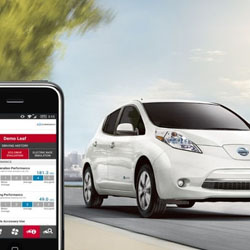
Nissan found itself in hot water after security researchers managed to hack its electric cars through a web link:

http://www.tomshardware.com/news/nissan-leaf-hacked-web-link,31275.html^

The auto-maker shuttered the faulty software application^, but according to the article above, this might not have been enough since “attackers don’t even need to use the NissanConnect app, because they can deliver the attack through a web browser by spoofing the app.”

With self-driving cars heading our way fast, this is not my idea of a software ecosystem that I would trust with my life. In addition to all the immense challenges that companies involved in researching automated driving will have to overcome, the security aspect will have to be handled in an extremely careful way. Check what they did to this jeep^.

Self-driving vehicles will, through their very nature, rely on a wealth of external information. When they will go mainstream, we will already be talking about automatically negotiating traffic lights, combining more vehicles into trains for optimal fuel efficiency or tragedy-prevention ethics^ (I highly recommend reading the linked article).

Companies have proved time and again that they care about little else than their profit margins. There is very little regard for safety and quality. In a recent posting^, I wrote that we’re perhaps partially to blame for this. Unless the situation changes both we and our environment will suffer because of these companies’ neglect.

At least some sort of relief comes from the fact that some governments will make hacking vehicles a very serious criminal offense. Michigan, for example, proposes to go as far as life in prison^. But what about the companies that allow their applications to be hacked (due to rushing the development process)? I believe those entities should face equally serious punishments.

[ax_meta lnimgurl=’http://mentatul.com/wp-content/uploads/2016/05/00547-VehiclesOfFutureAndOurSecurity-Thumb.jpg’ lnimgw=’250′ lnimgh=’250′ title=’The Vehicles of the Future and Our Security’ desc=’As the world becomes increasingly connected, so are all the devices that we're using. Vehicles, of course, are no exception.’]

Don’t Forget Tesla Motors

What is the word “forget” doing in the same sentence as the name of this rising star in the world of automobiles? It all starts with an article I read on Wired a couple of weeks ago. The author is busy praising General Motors for beating Tesla in creating the “first true mass-market electric car”:

http://www.wired.com/2016/01/gm-electric-car-chevy-bolt-mary-barra^

The article is far from being objective. It reads like a standing ovation for GM and its CEO, with very little regard for the full picture. There are two glaring mistakes. I’ll perform a little experiment and demonstrate how easily the author of the article could have improved upon the objectivity of his work, just by adding the following two paragraphs.

We should not forget, however, Tesla’s galvanizing effect upon the entire automobile industry. Not only did the company spend hundreds of millions of dollars in research, but its designs and success have also been an inspiration for drivers everywhere. Tesla popularized the electric vehicle like no company before. It is through Tesla’s ground-breaking work that many companies can today even consider working on an electric vehicle.

The elephant in the room (pun intended), is the very size of General Motors. We’re talking here about a company that produces close to 10 million vehicles per year, and has a yearly net income of 10 billion dollars. Tesla’s output isn’t even close to a million and it has a net loss of almost 300 million dollars. So does anybody still wonder why GM can afford to beat its chest claiming they’re manufacturing the first “true mass-market electric car”?

That wasn’t so hard, was it?

To GM’s credit, the company was actually one of the first to have even attempted mass producing an electric vehicle back in the 90s (and kudos to them). Unfortunately, the EV1^ was unceremoniously dumped in a set of rather dubious circumstances that some people saw as outright sabotage by the oil industry – with GM’s cooperation.

I personally believe that the lack of public interest, a fair bit of managerial incompetence and a lack of vision were the main culprits. There’s even a documentary about all this. Here’s its Wikipedia entry, draw your own conclusions:

https://en.wikipedia.org/w/index.php?title=Who_Killed_the_Electric_Car%3F^

However, a long time has passed since then and Tesla’s approach is radically different from that of Big Motor. It’s a reboot of the entire scene, and that’s what’s pissing off a lot of large companies. Tesla wants to alter the supply chain, interfering with the fat paychecks and bonuses of a lot of people. And those people won’t sit quietly while this happens. They’ll buy press, invest millions into sneaky marketing and do everything in their power to see Tesla fail.

[ax_meta lnimgurl=’http://mentatul.com/wp-content/uploads/2016/02/00280-DontForgetTesla-Thumb.jpg’ lnimgw=’250′ lnimgh=’250′ title=’Don't Forget Tesla Motors’ desc=’What is the word "forget" doing in the same sentence as the name of this rising star in the world of automobiles? It all starts with an article I read on Wired a couple of weeks ago.’]